Combining Beach and Bush: Your Guide to a Fly-In Safari from Zanzibar
For many travelers, a trip to Tanzania presents a tempting dilemma: the turquoise waters and powdery white sands of Zanzibar or the vast, wildlife-filled plains of the Serengeti. A growing number of visitors are discovering they do not have to choose. The solution is a fly-in safari that bridges the distance between the island and the national park, allowing for a seamless blend of a beach holiday with an unforgettable wildlife experience.
This kind of trip works well for those who want to experience two very different sides of Tanzania in a single journey. Instead of spending days on the road traveling from the coast to the interior, a short flight connects you directly to the heart of the action. It is a practical way to maximize your time in both environments, whether you are a first-time safari-goer or a seasoned traveler looking for a convenient upgrade to your itinerary.
How a Fly-In Safari from Zanzibar Works
The core idea is straightforward. You begin your holiday on Zanzibar, relaxing on its famous beaches and exploring Stone Town. After a few days, you take a scheduled or chartered flight from Zanzibar to an airstrip near Serengeti National Park. The flight itself is a scenic journey over the Indian Ocean and the Tanzanian mainland, giving you a bird's-eye view of the changing landscapes below.
Once you land, a driver or guide meets you and transfers you to your camp or lodge. From there, your safari experience begins in earnest. You spend a few days on game drives across the Serengeti plains, searching for the Big Five and following the dramatic wildebeest migration if the season is right. When your safari time is over, you fly back to Zanzibar for more beach time or to catch your international flight home.
A well-planned Zanzibar fly-in safari typically involves a few key elements. The flights are arranged by specialist operators who coordinate with local airlines. The lodges and camps are often located in private or concession areas within the park, offering a more exclusive experience. Meals, guided drives, and park fees are usually included in the package, so you can focus on the experience rather than logistics.

Why Choose a Fly-In Over a Road Safari
The most obvious advantage is time. Driving from Arusha or Moshi to the Serengeti can take a full day, and from Zanzibar the journey is even longer. A flight reduces that to under two hours. This is especially valuable if you have limited vacation days or want to avoid the fatigue of long drives on sometimes rough roads.
Another benefit is the variety of landscapes you get to see. The flight itself passes over the Usambara Mountains, the Great Rift Valley, and Lake Manyara before descending onto the Serengeti plains. You get a sense of the scale and diversity of Tanzania that a road trip cannot offer in the same way. Upon landing, you step directly into the bush, surrounded by acacia trees and the sounds of the wild.
For those who combine a beach stay with a safari, the fly-in option also means you do not have to pack up your beach resort and move all your luggage across the country. You can leave the bulk of your belongings at a hotel on Zanzibar and take a light bag for the safari portion. This simplifies packing and makes the transition between environments feel smoother.
What to Expect on a Serengeti Fly-In Safari
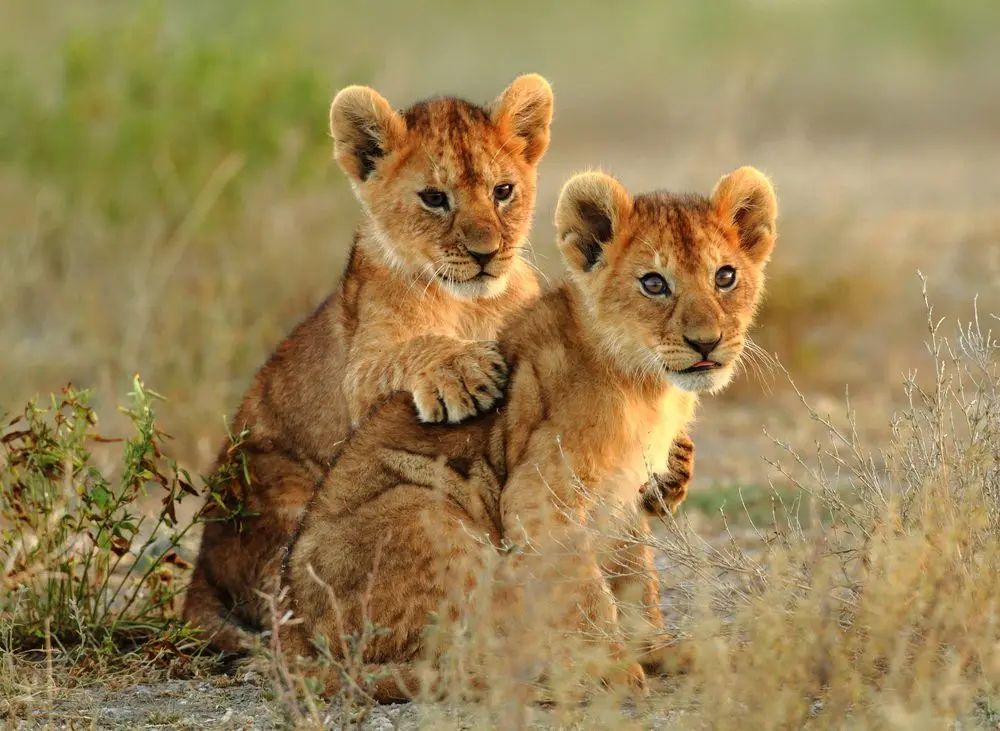
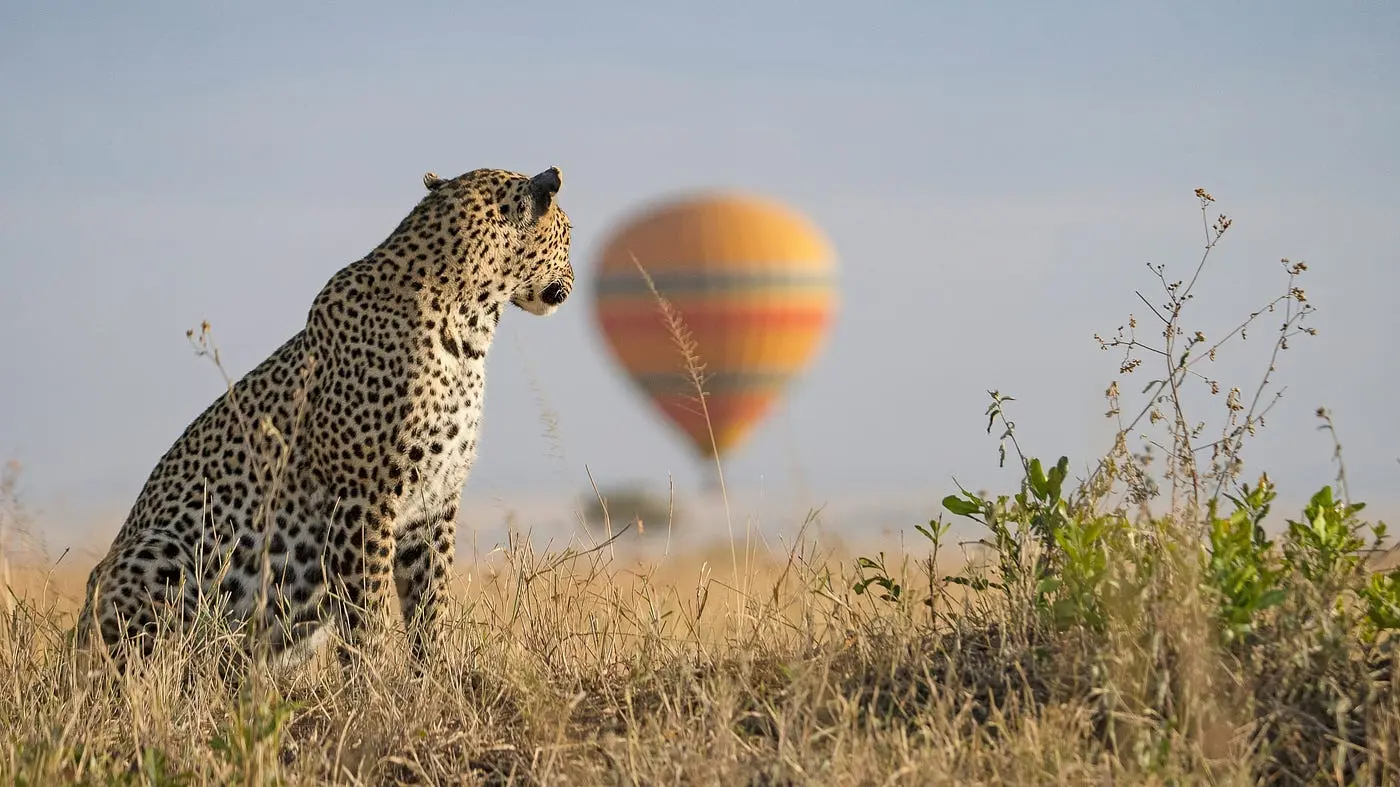
The Serengeti is one of the most iconic wildlife destinations on Earth. A fly-in safari here typically includes morning and afternoon game drives. The early start is worth it: the light is soft, the animals are active, and the crowds are thinner. You might see lions lounging on kopjes, elephants moving in family groups, or a cheetah scanning the horizon for prey.
If you visit between July and October, you are likely to witness the Great Migration. Hundreds of thousands of wildebeest and zebras move across the Mara River in search of fresh grass. The river crossings are dramatic and unpredictable, but with a good guide you can position yourself to see them. Even outside migration season, the Serengeti is full of life. The dry season brings animals to the remaining waterholes, making for excellent viewing.
Accommodation on a fly-in safari ranges from permanent tented camps with en-suite bathrooms to more basic mobile camps that follow the migration. Most camps offer three meals a day, often served under the stars. The food is generally good, with a mix of local and international dishes. You will also find that the staff are knowledgeable and attentive, making the experience feel both luxurious and authentic.
One thing to keep in mind is that the Serengeti is a large park. Your specific game-viewing experience depends on where your camp is located and what the animals are doing. A good operator will tailor your itinerary based on current wildlife movements. This is where the concept of a tailor-made safari shines: you are not stuck on a fixed route but can adapt as conditions change.
Practical Considerations for a Zanzibar Fly-In Safari
Planning this kind of trip requires some forethought. The phrase "Zanzibar fly-in safari" has become a standard term in the travel industry, and many operators across Tanzania offer packages built around it. When you book, you will want to confirm the flight details, the type of aircraft used, and the luggage allowance. Small planes have weight limits, so packing light is essential.
Another factor is the timing of your flights. Most flights from Zanzibar to the Serengeti depart early in the morning, which means you need to be at the airport by dawn. Plan your last night on the island accordingly, and allow enough time to get from your hotel to the airport. Traffic on Zanzibar can be slow, so a private transfer is a good idea.
The weather also plays a role. The dry season from June to October is the peak time for safaris because animals gather around water sources and the grass is shorter, making them easier to spot. The wet season from November to May brings green landscapes and many newborn animals, but also more rain and higher grass. Both seasons have their merits, so consider what kind of experience you prefer.
Health precautions are straightforward. You will need a yellow fever vaccination if you are coming from a country where the disease is present. Malaria is a risk in both Zanzibar and the Serengeti, so antimalarial medication and mosquito repellent are recommended. Travel insurance that covers medical evacuation is also a wise choice, as the nearest hospital may be a flight away.
Exploring Beyond the Serengeti
Some fly-in safaris from Zanzibar also include a stop at other parks. The Ngorongoro Crater is a common addition. This massive volcanic caldera is home to a dense concentration of wildlife, including black rhinos, hippos, and flamingos. A half-day drive through the crater floor is a highlight for many visitors.
Lake Manyara, known for its tree-climbing lions and vast flocks of flamingos, is another option. And for those interested in history, a visit to Olduvai Gorge offers a glimpse into human origins. These additions require more time and coordination, but they can enrich your safari experience.
If you have extra days, consider adding a few nights in Arusha or a stay at a lodge on the slopes of Mount Kilimanjaro. The mountain views from Amboseli National Park are spectacular, though the park is on the Kenyan side. Inside Tanzania, the views of Kilimanjaro from certain lodges near the park are also impressive.
Making the Most of Your Combined Holiday
The beauty of this kind of trip is the contrast. One day you are snorkeling in the warm waters of the Indian Ocean, and the next you are watching a lioness stalk her prey on the savannah. The transition is quick but profound, reminding you of the incredible diversity Tanzania has to offer.
To get the most out of it, plan your itinerary so that you have at least three full days on safari. This gives you enough time to settle into the rhythm of the bush and increases your chances of seeing a variety of animals. On Zanzibar, allow at least four days to recover from jet lag, explore the island, and relax before or after the safari.
Part of the appeal of a Zanzibar fly-in safari is the simplicity it offers. You do not need to be an expert on East African logistics to make it work. The operator handles the flights, transfers, and park permits. You just need to show up with your camera, a sense of adventure, and a willingness to be flexible.
For anyone dreaming of a holiday that combines the best of both worlds, this format is worth considering. It is practical, efficient, and deeply rewarding. Whether you are a wildlife enthusiast or a beach lover, the memories you bring back will be richer for having experienced both.